From our Illustrator, Pavel
Behind the Art of Rynado
In the spring of 2021, when I sent the graphic novel "Khünbish" to print, I was sure of one thing: I needed a break. I wanted to step away from big stories for a while and move toward something shorter and more financially rewarding — honestly, I just wanted to exhale for a bit.
Which is exactly why, of all things, I least expected to find myself, that same spring, in talks about a new graphic novel. And even less did I expect to feel enthusiastic about it.
Rynado. The synopsis decided everything. An eight-year-old boy who can't manage his own emotions turns into a tornado — sometimes, literally, a destructive one. A story with no guarantee that the family's strength will outlast the crisis.
I understood that this wasn't fiction built for effect. This was a family's real experience, told not for attention, but for others — so that families like them would feel they aren't alone. So that someone going through something similar would see at least a small light ahead, even if the whole path wasn't visible yet.
I hadn't even read the script yet, and I already knew I had to be part of it. And today I'm deeply grateful to the author for trusting me to bring this story to life.
How I ended up here
My first degree is in art education, my second in graphic design. Teaching never became my path — what pulled me instead was a drive toward visual storytelling. Along the way I worked as a collage artist in a photo studio, a designer at an ad agency and freelance, a fashion photographer, and a photojournalist. In 2011 I switched to a nomadic lifestyle and narrowed my work down to graphic and web design, into which illustration gradually wove itself, becoming my main focus by 2016.
Funny fact: back in my student years, I dreamed of being a "real" artist and looked down a little on graphic novels. Over time that changed. I noticed I cared less about what ended up on a wall and more about what stayed with someone after they closed a book. Comics, when you find the right language for them, reach almost anyone — and that reach is what pulled me in for good.
How the work on Rynado is structured
Odessa creates the entire content of the book — the events, their sequence, the dialogue, the direction the story takes. My part is to translate that narrative into the language of illustration: from rough storyboard scribbles all the way to the final look of finished pages.
Visual things carry their own role in this. As a meltdown approaches, the palette starts leaning into yellowish-green tones, then into a deep blue-green once Climax arrives. The tornado changes with him: at first it's only a shadow he casts, later an unmistakable presence — swirling air, a full funnel.
I have no personal experience directly tied to emotional dysregulation, but I'm quite familiar with neurodivergence. Maybe that's part of why I've always been open to outsider stories — unconventional and ambiguous ones, often not fitting the popular black-and-white model. I especially value stories that teach something: how to understand people, and how to understand myself.
What I want the reader to feel
I'd like it if, from the very first glance at the illustrations, the reader felt an urge to get comfortable and dive into the story right away. What they find from there, I'd rather leave partly to them.
If there's one thing I keep coming back to, on this book and off it, it's this: everything is solvable. Sometimes all it takes is changing the angle from which we look.
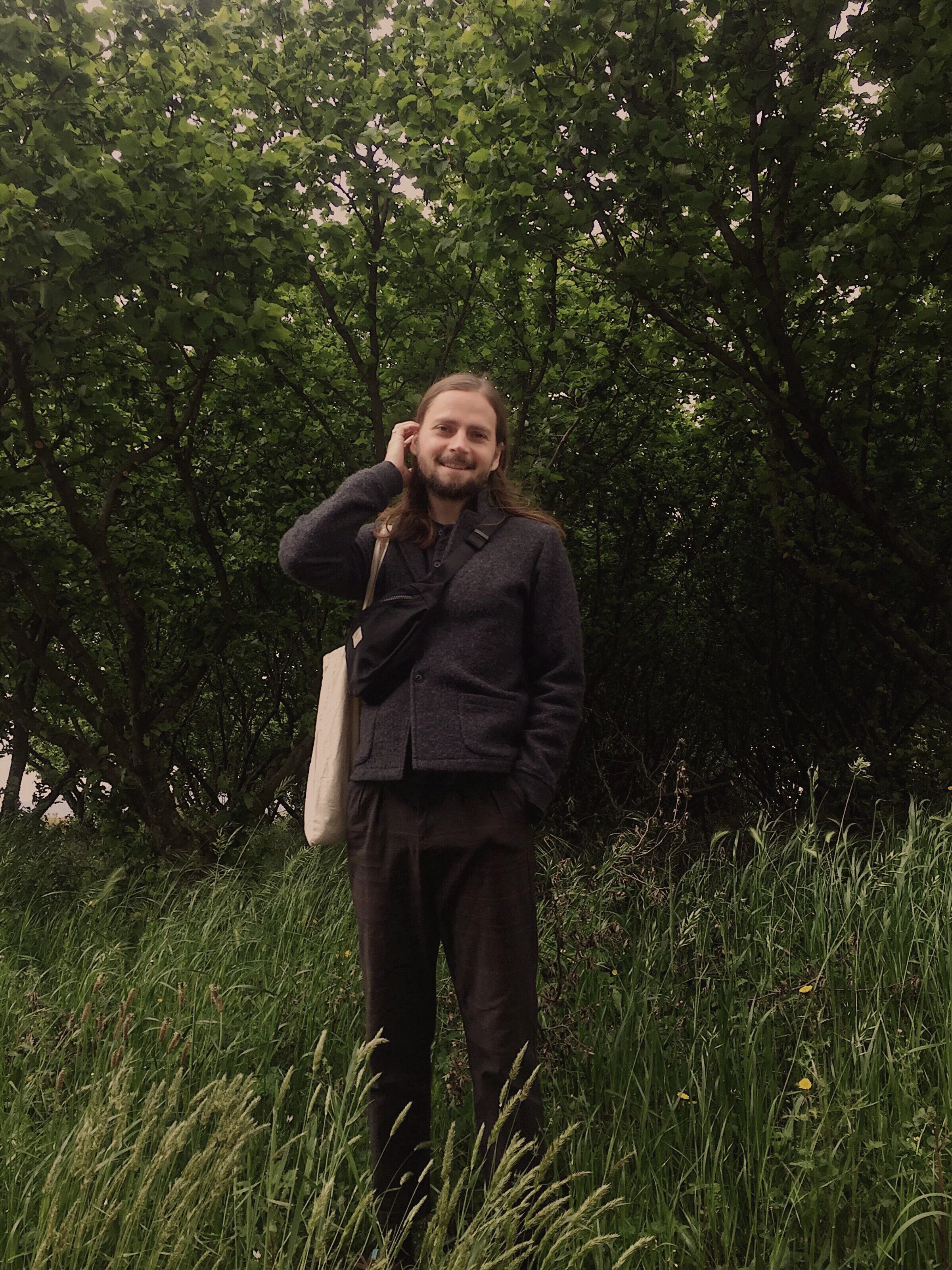
Thank you! Pavel